- Home
- Phase Change Thermal Film
Phase Change Thermal Film
A flexible film full of phase change microcapsules. Placed between a hot component and its heat sink, it soaks up sudden bursts of heat.
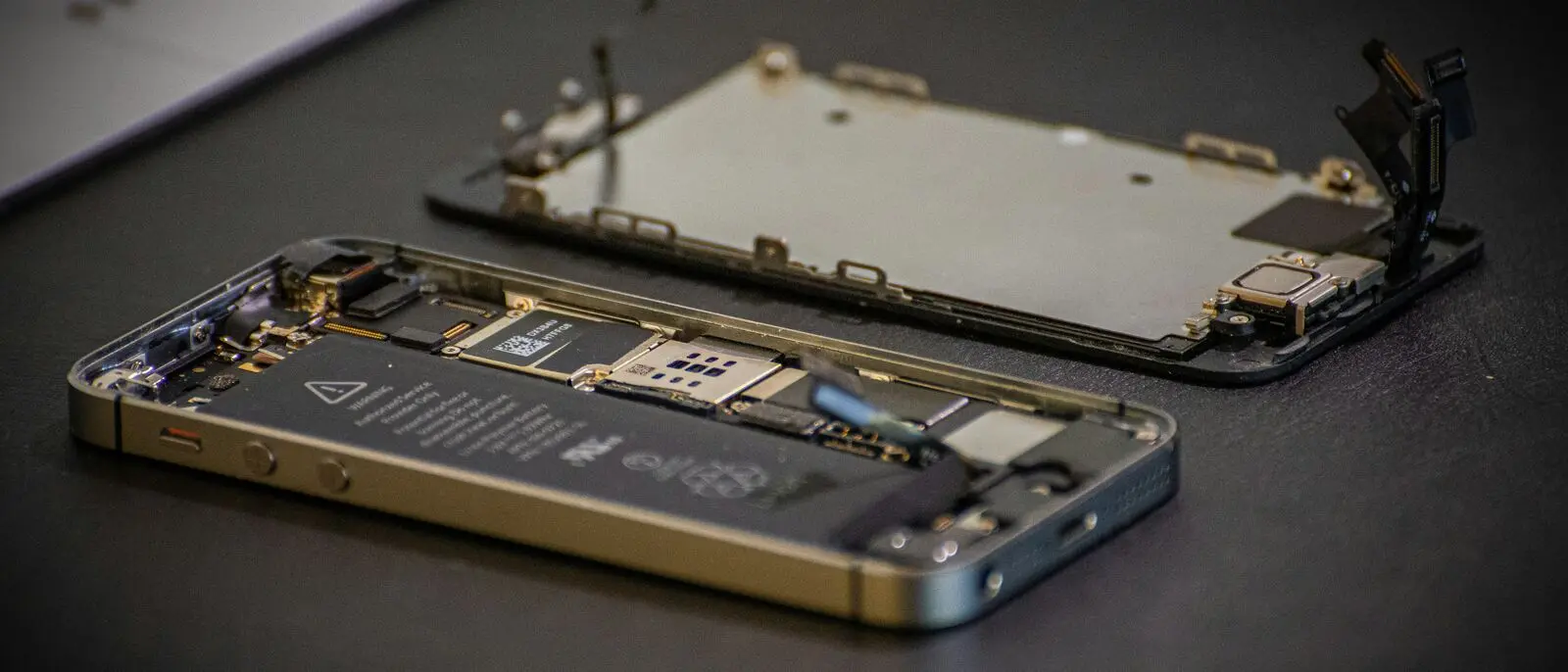
image/apps/thermal-film.jpgA flexible film full of phase change microcapsules. Placed between a hot component and its heat sink, it soaks up sudden bursts of heat.
image/apps/thermal-film.jpgChips, power modules, and battery cells do not heat up evenly. A fast charge or a burst of processing creates a spike that the cooling system cannot remove quickly enough, and the part slows down or ages faster. A phase change layer buys time by absorbing that spike as it happens.
Phase change microcapsules are cast into a thin, flexible film that can be cut into pads.
When the component heats past the melting point, the capsules melt and absorb heat instead of passing it on as temperature.
As the part cools, the capsules solidify again and are ready for the next spike. The shell keeps the material from leaking.


A heat sink is sized for steady load. Phase change covers the short bursts on top.
The film is thin and flexible, so it fits in slim devices with no room for a fan, and can be cut to the shape you need.
Because the material is sealed in capsules, there is no molten layer to seal in.
Tell us your product and process. We send material to try in your lab.
We adjust the grade to your materials and help you run it on your line.
Once it works, we supply it in production quantities, batch after batch.
The film's phase change peak is at about 44 °C, and it absorbs 185 to 195 J/g as it melts.
In testing it loses under 10% of its heat capacity after 500 hours at 85 °C, at 85 °C and 85% humidity, and across −40 to 85 °C cycling.
Yes. It is qualified for halide content and copper corrosion, and tested for dielectric strength.
As two water-based components, A and B, that you mix at a set ratio, cast to thickness, and dry into a flexible film. Unopened, it keeps for 6 months.
Yes. Besides supplying the two-part system, we can produce the film for you. Tell us the thickness and pad format you need.
Looking for a solution? We can help.
Our experts are here to learn more about your needs.